
Aguada, Puerto Rico
(ah-GWAH-dah)
Aguada was founded in 1510 with the name of Villa de Sotomayor by Cristóbal de Sotomayor, and under orders from Juan Ponce de León. Since then, Aguada is known as La Villa de Sotomayor (Sotomayor's village).
The city is also known as La Ciudad Del Descubrimiento, as it is popularly held that Christopher Columbus landed in Aguada when he discovered Puerto Rico in November 1493. Aguadilla also makes this claim. While there is no specific historical proof, it is known that many of the first attempts to set up a town on the island were in Aguada.
Aguada became a stopover point for ships on their way to Spain from South America. On 1737, the King of Spain declared that all mail on route to Venezuela and other South America countries from Puerto Rico must exit from Aguada's ports, leading to the area's economic growth.
Overview
Why Visit Aguada?
Aguada is perfect for travelers seeking history, scenic beaches, and a slower pace of life. The municipality is known for its colonial heritage, excellent surfing beaches, colorful festivals, and welcoming small-town atmosphere. Its location also makes it an excellent base for exploring nearby Rincón, Aguadilla, and Añasco.
Top Things to Do in Aguada
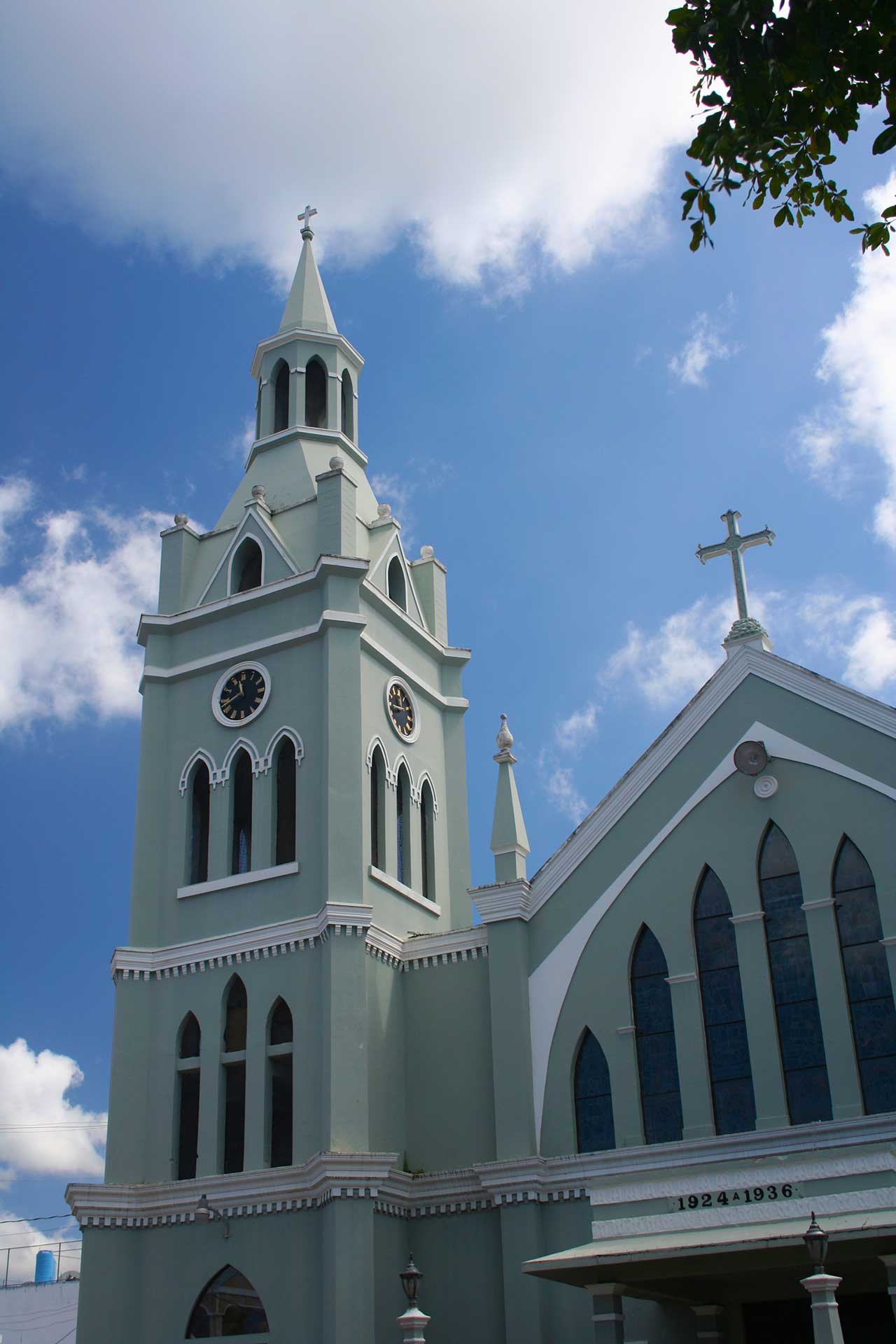
Iglesia San Francisco de Asís
Built in the early 20th century on the site of an earlier colonial church, Iglesia San Francisco de Asís is one of Aguada's most recognizable landmarks. It is considered one of the most beautiful religious structures in Puerto Rico. It's construction began in 1924 and it was completed in 1936. The present building was built in the same place as the old church, which dated back to the 1800s and was destroyed during the earthquake of October 11, of 1918.
Its elegant architecture and prominent location overlooking the town plaza make it a favorite stop for visitors interested in history, photography, and local culture. Mass held daily. Visiting hours Mon-Fri 6:30am-11am.
Pico de Piedra Beach
One of Aguada's most popular beaches, Pico de Piedra Beach offers calm waters, golden sand, and a lively atmosphere. Families gather here to swim and relax, while nearby restaurants and food kiosks make it an excellent place to enjoy fresh seafood and spectacular west coast sunsets.
Aguada Boardwalk (Malecón)
Stretching along the coastline, the Aguada Boardwalk is a favorite gathering place for locals and visitors alike. Walking paths, ocean views, public art, and nearby restaurants create the perfect setting for an afternoon stroll or an evening by the sea.
Plaza Cristóbal Colón
The heart of downtown Aguada, Plaza Cristóbal Colón is surrounded by historic buildings, local shops, and cafés. Throughout the year, the plaza hosts concerts, festivals, holiday celebrations, and community events that showcase the town's vibrant culture.
Museo Histórico de Aguada
Located in a former railroad station building and near the town center, the Aguada Historical Museum preserves artifacts, photographs, and exhibits that tell the story of the municipality from its earliest Indigenous inhabitants through the Spanish colonial period and modern times. Reservations required. Open Mon-Fri 8am-noon, (tel. 787-868-6300).
Espinar Beach
Known for its natural beauty and Atlantic waves, Espinar Beach attracts surfers, fishermen, and beachgoers seeking a quieter coastal experience. Its scenic shoreline provides excellent opportunities for photography and sunset viewing.
Coloso Sugar Mill
Just outside Aguada lies the historic Central Coloso, once one of Puerto Rico's largest sugar mills. Although no longer operating, the site remains an important reminder of the island's sugar industry and its role in shaping the economy of western Puerto Rico.
Casa Alcaldía de Aguada
Built in 1929, the Casa Alcaldía is one of Aguada's most recognizable civic landmarks. Overlooking the town plaza, this historic municipal building reflects the architectural character of the early 20th century and remains the center of local government. Its elegant façade makes it a popular stop while exploring Aguada's historic downtown.
Centro de Bellas Artes Juan L. Arroyo
The Centro de Bellas Artes Juan L. Arroyo serves as Aguada's cultural heart. Since opening in 2000, it has hosted theater productions, concerts, art exhibitions, and community events that celebrate Puerto Rican music and the performing arts. It continues to play an important role in the municipality's cultural life.
Ermita de Espinar
One of Aguada's most significant historical sites, the Ermita de Espinar traces its origins to the early 1500s. Built by Franciscan missionaries, the chapel commemorates some of the earliest Christian settlements in Puerto Rico. Today, visitors can explore the preserved ruins within the modern sanctuary while learning about Aguada's colonial beginnings.
Plan your Visit
Whether you're planning a relaxing beach getaway or exploring Puerto Rico's historic west coast, Aguada offers convenient access to beautiful beaches, neighboring towns, and scenic mountain landscapes. Renting a car provides the greatest flexibility to discover everything the municipality has to offer.
Getting There
By Air
The closest airport is Rafael Hernández Airport (BQN) in nearby Aguadilla, located approximately 20 minutes north of Aguada. Luis Muñoz Marín International Airport (SJU) in San Juan is about a two-and-a-half-hour drive away.
By Car
Aguada is easily accessible via PR-2, Puerto Rico's primary western coastal highway, connecting the municipality with Aguadilla, Rincón, Añasco, and Mayagüez.
Getting Around
Rental Car
The best way to experience Aguada's beaches, countryside, and nearby attractions.
Public Transportation
Public transportation is limited. Taxis and ride-sharing services are available but may be less frequent than in larger cities.
Walking
Downtown Aguada is compact and easy to explore on foot, especially around the central plaza, church, and local shops.
Nature & Resources
Geography
Located along Puerto Rico's picturesque west coast, Aguada borders Aguadillato the north, Mocaand Aguadilla to the east, Añascoto the south, and the Atlantic Ocean (Mona Passage) to the west. The municipality combines fertile coastal plains with gently rolling hills that gradually rise toward the island's interior. Several rivers, including the Culebrinas River, help shape Aguada's landscape while supporting its agricultural heritage and diverse ecosystems.
The town is bathed by many rivers including Culebrinas, Cañas, Madre Vieja, Grande, Guayabo, Culebra, and Ingenio.
Neighborhoods & Barrios
Aguada consists of 18 barrios (PDF) (wards/districts):
- Asomante
- Atalaya
- Carrizal
- Cerro Gordo
- Cruces
- Guanábano
- Espinar
- Guaniquilla
- Guayabo
- Jagüey
- Laguna
- Mal Paso
- Mamey
- Marías
- Naranjo
- Piedras Blancas
- Pueblo
- Río Grande
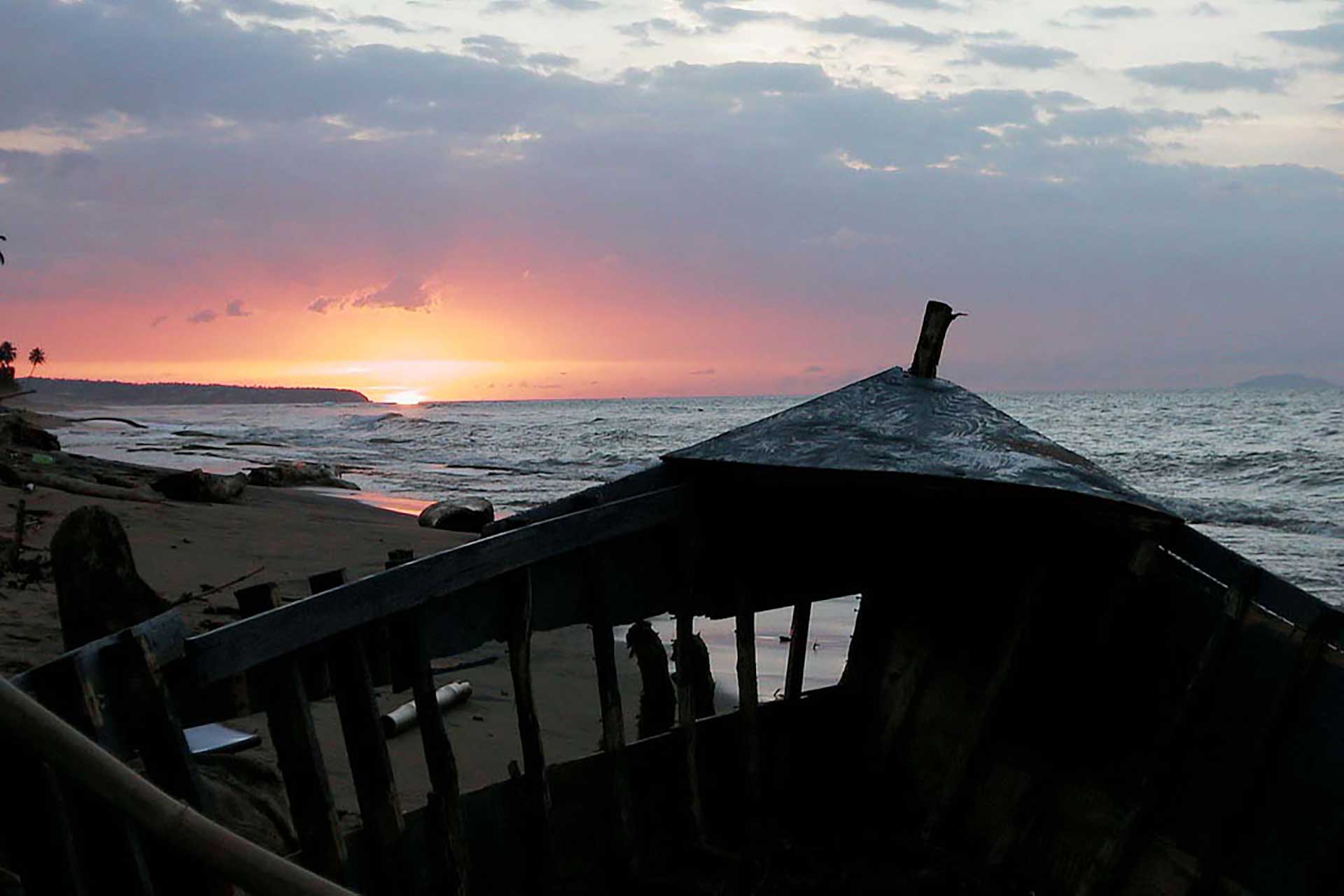
Photo: Rafael Casanas
Climate
Aguada enjoys a tropical maritime climate with warm temperatures throughout the year, making it an excellent destination for beach vacations and outdoor adventures in every season. Average daytime temperatures typically range from the upper 70s°F (mid-20s°C) during the winter to the upper 80s°F (low 30s°C) in the summer. Cooling ocean breezes help moderate the coastal climate, while the rainy season generally extends from May through November.
The highest recorded temperature was 99°F in 1924. The lowest recorded temperature was 47°F in 1959.
AGUADA WEATHER10 Day Forecast from weather.com
Local Tip
If you're planning to spend the day at Pico de Piedra Beach or exploring Aguada's coastline, mornings usually offer calmer conditions and are an ideal time to enjoy the beach before the afternoon heat arrives
Where to Stay
- Parador Colombus
- Villa Marsana
- Hotel Hidden Village
- Casa Brava
- Beachfront condos
- Vacation homes
Local Flavors & Festivities
Where to Eat
- Buen Sazón
- El Sazón de Mi Abuela
- Restaurante El Galeón
- ompeolas Bar & Grill
- Ola Lola's Garden Bar
- The Beach House
- Coffee Spot Aguada
- Panadería Colón
Festivals and Events
Displaying 8 results.
-
Festival de la Chopa
- August
Aguada's signature seafood festival celebrates the local chopa fish with fresh seafood dishes, cooking demonstrations, live music, artisan vendors, and cultural entertainment highlighting the municipality's fishing heritage.(787) 868-9600
-
Festival de Reyes
- January
Held at Parque Paraiso de los Ninos, this family celebration honors Three Kings Day with music, gifts for children, cultural performances, games, and traditional Puerto Rican holiday festivities.(787) 868-9600
-
Festival del Descubrimiento de Puerto Rico
- November
Commemorating Aguada's historic role in Puerto Rico's early Spanish settlement, this cultural festival features historical reenactments, educational exhibits, artisan vendors, traditional music, and community celebrations recognizing the town's rich heritage.(787) 868-9600
-
Festival del Juey
- October
One of western Puerto Rico's favorite culinary festivals, the Festival del Juey showcases crab-based dishes, local cuisine, live music, artisan crafts, and family entertainment celebrating Aguada's coastal traditions.(787) 868-9600
-
Festival Playero de la Noche de San Juan
- June
Celebrated at Pico de Piedra Beach on the eve of San Juan, this lively beach festival features live music, food kiosks, artisan vendors, family activities, and the traditional midnight ocean dip believed to bring good luck.(787) 868-9600
-
Festival y Feria de Artesanías
- November
Local artisans from across Puerto Rico gather in Aguada's historic plaza to showcase handmade crafts, artwork, traditional foods, live music, and demonstrations celebrating Puerto Rican craftsmanship.(787) 868-9600
-
Fiestas Patronales de San Francisco de Asis
- October
Aguada's largest annual celebration honors its patron saint with religious processions, live concerts, carnival rides, artisan markets, traditional Puerto Rican cuisine, parades, and family-friendly entertainment in the town plaza.(787) 868-9600
-
Fiestas Patronales de San Francisco de Asís
- October
Aguada celebrates its traditional patron saint festival honoring San Francisco de Asís with religious processions, novenas, live music, artisan vendors, food kiosks, carnival rides, sporting activities, and community celebrations.787-868-6400
History
Founded in 1510, Aguada is one of Puerto Rico's oldest municipalities and is often associated with the island's earliest Spanish settlements. According to local tradition, Christopher Columbus anchored nearby during his second voyage to the Americas in 1493 to replenish fresh water before continuing his expedition. Over the centuries, Aguada developed into an important agricultural community known for sugar cane, cattle ranching, and fishing. Today, its rich history, beautiful coastline, and strong community traditions continue to define the municipality.
Moments in History
Christopher Columbus is believed to have anchored near Aguada during his second voyage to obtain fresh water.
One of Puerto Rico's earliest Spanish settlements is established in the area.
Aguada officially becomes an independent municipality.
Agriculture, particularly sugar cane and cattle ranching, becomes the foundation of the local economy.
Tourism and commerce begin to complement the municipality's agricultural heritage.
Aguada is recognized for its historic landmarks, beautiful beaches, surfing culture, and welcoming coastal community.
Notable People
Throughout its history, Aguada has been home to accomplished artists, musicians, athletes, educators, and public servants whose contributions have enriched Puerto Rico's cultural and civic life. Their achievements continue to reflect the creativity, resilience, and community spirit that define this historic western municipality.
Famous Aguadeños
Juan Bautista Arrillaga Roqué
1866–1907
Literature • Journalism • Politics
A writer, journalist, playwright, pharmacist, and abolitionist, Juan Bautista Arrillaga Roqué became an influential voice in Puerto Rico's autonomist movement. He helped expose the Spanish colonial government's repressive policies during the late 19th century and directed the newspaper El Águila de Puerto Rico. His works included Memorias de Antaño, Tierra Enferma, and Los Bribones.
Ismael Miranda
1950–Present
Music • Salsa
Known as "El Niño Bonito de la Salsa," Ismael Miranda is one of Puerto Rico's most celebrated salsa singers and songwriters. Born in Aguada and raised in New York City, he gained international recognition through his recordings with Larry Harlow and the Fania All-Stars, helping define the sound of salsa during its most influential era.
Juan Bautista Soto
1882–1980
Education • Law • Philosophy
Juan Bautista Soto was a respected educator, lawyer, philosopher, and civic leader whose career spanned much of the 20th century. He dedicated his life to teaching and public service, influencing generations of Puerto Rican students while contributing to discussions about education, ethics, and civic responsibility.
City Symbols
Aguada's official symbols reflect the municipality's rich colonial history, religious heritage, and enduring connection to Puerto Rico's west coast. The flag, coat of arms, and anthem celebrate the town's founding, its agricultural traditions, and the pride of generations of aguadeños who have helped shape the community.
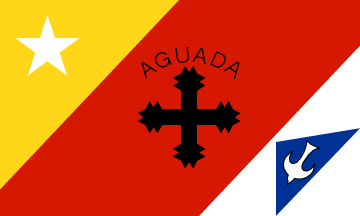
Flag
The flag of Aguada features a white field crossed by a red diagonal band representing the Cross of Saint Andrew, a symbol associated with the municipality's religious heritage. The municipal coat of arms appears at the center, highlighting Aguada's colonial history and its importance as one of Puerto Rico's earliest Spanish settlements. The flag is proudly displayed during civic celebrations, festivals, and official municipal events.
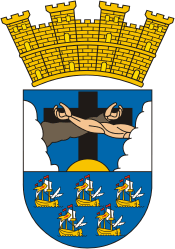
Coat of Arms
The coat of arms of Aguada reflects the municipality's history and identity through several meaningful symbols. The red cross honors Saint Francis of Assisi, the town's patron saint, while the seashell represents the coastal location and the arrival of the early Spanish settlers. Agricultural elements symbolize Aguada's historic sugar cane industry and fertile lands, while the mural crown signifies its status as an incorporated municipality. Together, these elements celebrate Aguada's centuries-old heritage and enduring community spirit.
Anthem
The official anthem of Aguada is "Aguada", a hymn that honors the municipality's history, natural beauty, and the pride of its people. Performed during civic ceremonies and municipal celebrations, the anthem recognizes Aguada's role as one of Puerto Rico's oldest settlements while celebrating the traditions, culture, and resilience that continue to define the community. It remains an important symbol of local identity for generations of aguadeños.
Written by Rolando Acevedo Lorenzo.
Human & Capital Resources
Economy
Aguada's economy has evolved from its agricultural roots into a diverse mix of tourism, retail, healthcare, education, and small business. While agriculture remains part of the municipality's heritage, today's economy is increasingly supported by local commerce, restaurants, hospitality, and service industries. Its location along Puerto Rico's popular west coast also attracts visitors seeking beaches, surfing, and nearby attractions, providing an important source of economic activity throughout the year.
Education
Education has long played an important role in Aguada's development. The municipality is served by several public and private elementary and secondary schools operated by the Puerto Rico Department of Education, along with private educational institutions that serve the local community. Residents also benefit from easy access to colleges and universities in nearby Aguadilla, Mayagüez, and San Germán, expanding opportunities for higher education across western Puerto Rico.
Demographics *
Population
38,136
Land Area: 30.85 sq mi
Density: 1,209 per sq mi
Median Age: 43.6
Sex: 51% female
Economics **
$10,001
Median household income: $16,802
Puerto Rico: $21,058
Persons below poverty line: 48.4%
Housing, families and educational attainment *
Number of households
13,005
Housing units density:
591.8 (2013)
Persons per household: 2.86
High school grad or higher: 65.9%
Marital status: 43% married
* U.S. Census Bureau 2020 data, unless otherwise noted - Source: Quick Facts Puerto Rico.
** U.S. Census Bureau 2016-2020
Map References
Coordinates: 18.3794° N, 67.1883° W
ZIP Code: 602
Driving Distance from San Juan: 91 miles
Driving Time: 2 hours, 16 minutes
Frequently Asked Questions
What is Aguada known for?
Aguada is best known for its beautiful beaches, colonial history, surfing, and being one of Puerto Rico's oldest municipalities.
Is Aguada worth visiting?
Yes. Aguada offers a quieter alternative to larger tourist destinations while providing beautiful beaches, historic landmarks, excellent seafood, and easy access to Puerto Rico's west coast attractions.
What are the best beaches in Aguada?
Pico de Piedra Beach and Espinar Beach are among Aguada's most popular beaches for swimming, surfing, and watching spectacular sunsets.
How far is Aguada from San Juan?
Aguada is approximately 120 miles (193 km) west of San Juan, about a two-and-a-half-hour drive.
What airport is closest to Aguada?
Rafael Hernández Airport (BQN) in Aguadilla is the nearest airport, located about 20 minutes away.
Is Aguada good for surfing?
Yes. Aguada's Atlantic coastline offers several surfing spots, with additional world-class breaks located nearby in Rincón.
What is the best time to visit Aguada?
Aguada can be visited year-round, although the dry season from December through April generally offers the most pleasant weather.
Does Aguada have a historic downtown?
Yes. The town center features Plaza Cristóbal Colón, Iglesia San Francisco de Asís, local shops, and historic buildings dating back to the colonial era.
What festivals are celebrated in Aguada?
The municipality hosts several annual events, including the Patron Saint Festival honoring San Francisco de Asís, cultural festivals, sporting events, and Christmas celebrations.
Can Aguada be visited as a day trip?
Absolutely. Its proximity to Rincón, Aguadilla, Añasco, and Mayagüez makes Aguada an excellent destination for a day trip or as part of a western Puerto Rico road trip.
Did You Know?
Dr. Dolores Piñero, born in San Juan, Puerto Rico, was the first Puerto Rican woman doctor to serve in the Army under contract.
Get Our Newsletter
Discover new places, local flavors, upcoming events, cultural stories, and some of our favorite finds from around the island.Read the Latest ¡La Isla! Newsletter
Follow Along


