
Vega Baja, Puerto Rico
(VAI-gah BAH-hah)
Vega Baja is known as "La Ciudad del Melao Melao" (syrup city) is a north-coast municipality where beautiful beaches, limestone landscapes, fertile plains, and centuries of Puerto Rican history come together.
Founded in ctober 3, 1776 by Antonio Viera, with the name of Vega-baxa del Naranjal de Nuestra Señora del Rosario.
Overview
Why Visit Vega Baja?
Vega Baja offers something increasingly valuable for travelers: an impressive Puerto Rican beach destination that still feels closely connected to the surrounding community. While Puerto Nuevo is the star attraction, the municipality rewards visitors who venture beyond the shoreline.
Playa Puerto NuevoSwim beside dramatic limestone formations at one of Puerto Rico's best-known north-coast beaches. The natural rock barrier helps create a protected swimming area while Atlantic waves crash spectacularly against the rocks beyond.
Nature & KarstExplore a landscape shaped by limestone, caves, wetlands, underground water systems, and the fertile plains of Puerto Rico's northern karst region.
History & CultureDiscover Vega Baja's historic plaza, Casa Alonso, churches, monuments, theaters, and stories stretching from Indigenous settlement and Spanish colonization to the sugarcane era and modern Puerto Rico.
Top Things to Do in Vega Baja
Playa Puerto Nuevo
Vega Baja's signature beach is famous for the massive limestone formations just offshore that help create a protected natural swimming area. Beyond the rocks, Atlantic waves crash dramatically against the formations, creating one of the north coast's most recognizable seascapes.
Laguna Tortuguero Natural Reserve
Part of one of Puerto Rico's most important freshwater wetland ecosystems, Laguna Tortuguero protects lagoons, wetlands, native vegetation, and wildlife within the island's northern karst region.
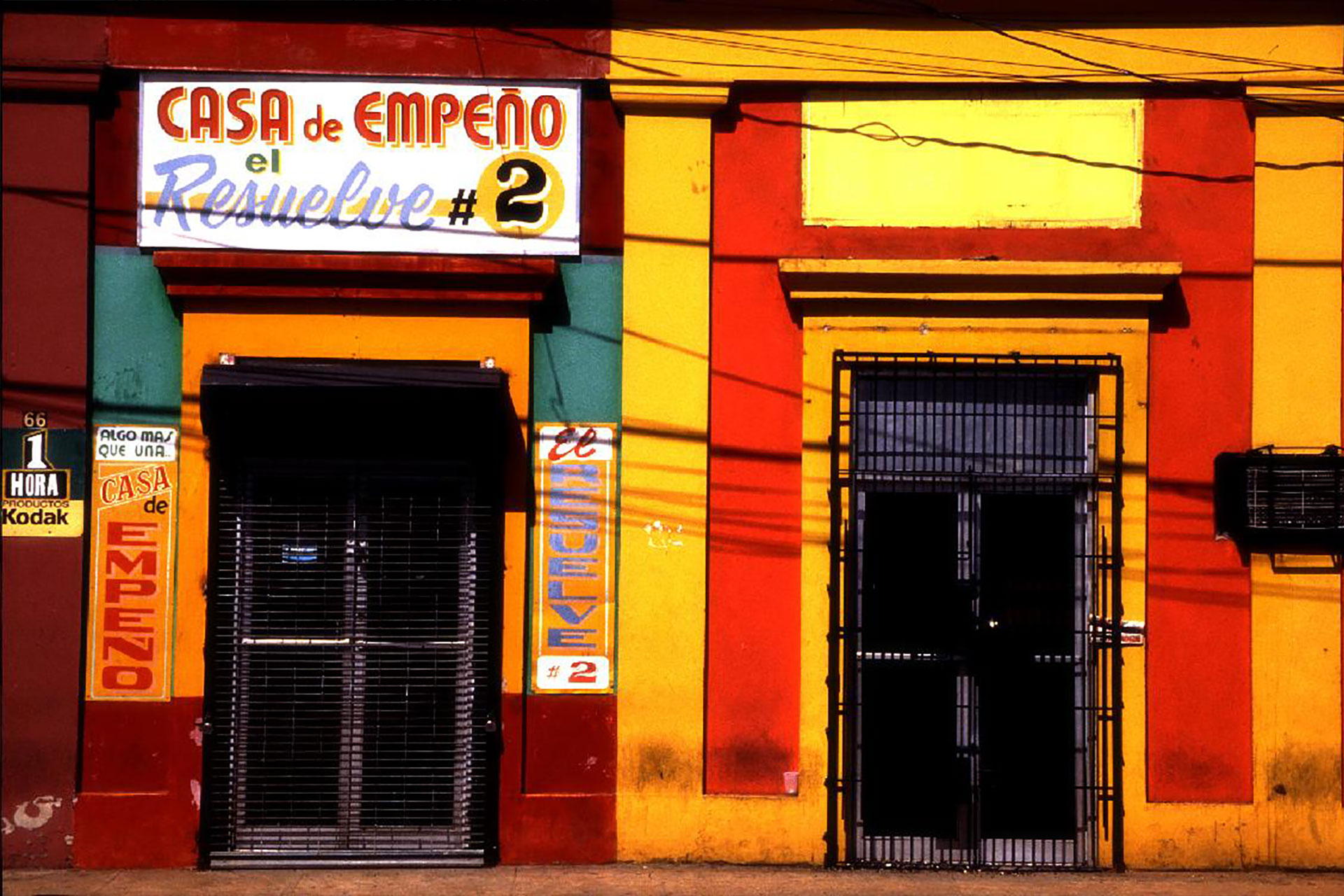
Museo Casa Alonso
Located in Vega Baja's historic center, Casa Alonso is a restored Creole Neoclassical residence housing collections related to Puerto Rican history, art, literature, music, and local culture. The building was added to the National Register of Historic Places in 1996.
Plaza de Recreo José Francisco Náter
The traditional heart of Vega Baja, surrounded by historic buildings and civic landmarks. The plaza remains a gathering place for festivals, cultural activities, and everyday community life.
Iglesia Nuestra Señora del Rosario
The historic parish church overlooking the town plaza honors Nuestra Señora del Rosario, patroness of Vega Baja, and remains one of the most recognizable landmarks in the traditional town center.
Teatro Fénix
A historic theater near the town plaza that forms part of Vega Baja's architectural and cultural heritage.
Monumento al Hombre de la Caña
A tribute to the agricultural workers whose labor helped build Vega Baja's sugar economy and shaped generations of life in the surrounding countryside.
Las Cuevas del Burro
Part of Vega Baja's extensive limestone landscape, these caves reflect the underground formations characteristic of Puerto Rico's northern karst region.
Plan your Visit
Less than an hour west of San Juan, Vega Baja is an easy north-coast destination to reach by car and is best explored with your own transportation.
Getting There
By Air
Luis Muñoz Marín International Airport (SJU) is approximately 35 to 45 miles from Vega Baja, depending on your destination within the municipality.
By Car
From the San Juan metropolitan area, the primary route west is PR-22. Travel time is generally about 45 minutes to one hour, depending on traffic.
From the West
Travelers coming from Arecibo, Barceloneta, or other north-coast communities can reach Vega Baja using PR-22 and connecting local roads.
Getting Around
Rental Car
A car is the easiest way to explore Vega Baja, particularly if you plan to combine Puerto Nuevo, the town center, Laguna Tortuguero, and nearby north-coast destinations.
Historic Center
Once in the traditional town center, several landmarks around Plaza José Francisco Náter can be explored on foot.
Puerto Nuevo
The coastal area is a short drive north of the town center and includes the beach, restaurants, vacation rentals, and other local businesses.
Explore the North Coast
Vega Baja also makes a convenient base for exploring nearby Vega Alta, Dorado, Manatí, Barceloneta, and other destinations along Puerto Rico's northern coast.
Nature & Resources
Geography
Vega Baja is located in northern coast, north of Morovis; east of Manat&iaute;; and west of Vega Alta. Vega Baja extends from the Atlantic Ocean southward into Puerto Rico's northern limestone region. Its geography includes coastal plains, wetlands, rivers, limestone hills, caves, and fertile agricultural lands.
Much of the municipality lies within Puerto Rico's Northern Coastal Plain and northern karst belt, a region characterized by porous limestone, caves, sinkholes, underground drainage systems, and distinctive limestone hills known as mogotes.
Laguna Tortuguero
Along the Vega Baja-Manatí area lies the Laguna Tortuguero Natural Reserve, an ecologically important system of freshwater lagoons, wetlands, swamps, and surrounding habitats. The reserve supports numerous species of birds, reptiles, fish, and native plants.
Rivers
The Cibuco River is one of the municipality's principal waterways and has played an important role in the settlement and agricultural history of the region.
Coastline
Vega Baja's Atlantic coastline is characterized by beaches, rocky limestone formations, coastal vegetation, and powerful ocean conditions. Playa Puerto Nuevo demonstrates this geology especially well, with large rock formations creating a sheltered swimming area beside the open Atlantic.
Vega Baja: Where the Karst Meets the Sea
One of the most distinctive things about Vega Baja is the way Puerto Rico's northern karst landscape reaches all the way to the Atlantic coast. Limestone hills, caves, underground drainage systems, wetlands, and rocky formations shape much of the municipality — and nowhere is that relationship more visible than at Playa Puerto Nuevo.
The same limestone geology that creates mogotes, caves, and sinkholes farther inland also appears dramatically along the shoreline. At Puerto Nuevo, massive rock formations rise just offshore, forming a natural barrier between the open Atlantic and a more protected swimming area close to the beach.
The result is one of Puerto Rico's most recognizable coastal landscapes: calm turquoise water on one side of the rocks and powerful Atlantic waves crashing against the other.
Playa Puerto Nuevo: A Natural Coastal Barrier
Puerto Nuevo's unusual shape is one of the reasons the beach has become such a popular destination. The limestone formations help reduce the force of incoming waves in portions of the swimming area, creating conditions that can be noticeably calmer than the exposed Atlantic just beyond the rocks.
Puerto Nuevo is more than a beautiful beach. Its distinctive rock formations are part of the same northern limestone landscape that creates caves, sinkholes, wetlands, underground waterways, and mogotes across north-central Puerto Rico.
The Northern Karst
Vega Baja lies within Puerto Rico's northern karst region, one of the island's most unusual natural landscapes. Karst develops when rainwater gradually dissolves limestone, creating an interconnected world of caves, depressions, underground passages, springs, and steep-sided hills known locally as mogotes.
Much of this landscape may look green and forested from above, but beneath the surface water can move through cracks, caverns, and underground channels before reappearing elsewhere as springs or streams.
This geology has influenced where communities developed, how water moves through the region, and which ecosystems can thrive there. It also explains why caves and limestone formations appear throughout Vega Baja and neighboring municipalities along Puerto Rico's north coast.
Laguna Tortuguero: Wetlands within the Karst
The story continues at the nearby Laguna Tortuguero Natural Reserve, where freshwater lagoons, marshes, wetlands, and surrounding vegetation form an important ecological area within the northern karst landscape.
The reserve supports a variety of birds, reptiles, fish, aquatic plants, and other wildlife. Its wetlands also demonstrate that karst is not only about caves and rocky hills — underground water, surface lagoons, and coastal ecosystems can all be part of the same interconnected natural system.
Caves Beneath the Landscape
Away from the coast, Vega Baja's limestone terrain continues underground. Caves such as the Cuevas del Burro are reminders that much of the municipality's natural landscape extends beneath the surface.
These formations developed over thousands of years as water moved through limestone, gradually enlarging fractures and passages. Across Puerto Rico's northern karst region, similar processes have created some of the island's most extensive cave systems.
A Landscape Worth Protecting
Karst environments can be especially sensitive to development and pollution because water moves quickly through cracks and underground channels. What happens at the surface can affect caves, springs, wetlands, and groundwater elsewhere in the system.
For visitors, that makes Vega Baja's natural areas more than scenic attractions. Puerto Nuevo, Laguna Tortuguero, the municipality's caves, and its limestone hills are all connected pieces of a landscape that has taken thousands of years to form.
Together, they give Vega Baja an identity that is distinctly north-coast Puerto Rico — a place where freshwater wetlands, underground caves, limestone formations, and the Atlantic Ocean meet within a remarkably small area.
Neighborhoods & Barrios
Vega Baja is made up of 14 barrios (wards/districts):
- Algarrobo
- Almirante Norte
- Almirante Sur
- Cabo Caribe
- Ceiba
- Cibuco
- Pueblo
- Puerto Nuevo
- Pugnado Adentro
- Pugnado Afuera
- Quebrada Arenas
- Río Abajo
- Río Arriba
- Yeguada
Climate
Vega Baja has a warm tropical climate throughout the year, with temperatures influenced by its location along Puerto Rico's northern coast. Daytime temperatures generally remain warm year-round, while coastal breezes can make conditions near Puerto Nuevo feel more comfortable.
The warmest months are typically from late spring through early fall, while December through March tends to bring slightly cooler and less humid conditions. Rain can occur throughout the year, with wetter conditions generally becoming more frequent from late spring through fall.
Along the Atlantic coast, ocean conditions can change considerably with weather and seasonal swells. Playa Puerto Nuevo's limestone formations provide some protection to its swimming area, but visitors should always pay attention to posted warnings, currents, waves, and local beach conditions.
Hurricane season officially runs from June 1 through November 30. Travelers visiting during this period should monitor weather forecasts, particularly during August, September, and October.
10 Day Forecast from weather.com
Where to Stay
Vega Baja's accommodations lean toward vacation rentals, villas, and smaller locally operated properties, particularly around Playa Puerto Nuevo. Travelers looking for larger resorts will find additional options in nearby Dorado.
- Vega Baja Beach House
- Villa Ensueño Vega Baja
- Waves Beach House
- Blanquimar Beach Apartment
- Melao Lodge
- Villas Rivera Marrero
- Positano Luxury Beach House
- Villa Annunziato
- Oasis Village
- Hacienda M&B
Local Flavors & Festivities
Where to Eat
- Mi Viejo Café Bar & Grill
- Kseros Fusión Caribeña
- Cubaki Restaurant
- El Fogón
- Rest Time
- La Taberna Restaurant & Bar
- Insanos Restaurant
- La Braza Smokehouse
- Beach Burger Bar & Grill
- Panakeia
- Latitud Café
- Corre Caminos Wine & Coffee
- Bocaíto Restaurant
- UP Restaurant & Bar
- Poco Loco
- Pa' Comer Sano
- Bistruck PR
Festivals and Events
Displaying 9 results.
-
Domingos de Bomba y Plena
- Year-round
Cultural gathering at Plaza José Francisco Náter celebrating Puerto Rico's bomba and plena traditions with live music, dancing, local performers, and community participation.
-
Fiesta de Reyes
- January
Traditional Three Kings celebration marking Día de Reyes with family activities, music, community gatherings, and Puerto Rican holiday traditions.
-
Tríalo Deportivo
- March
Annual sporting event bringing athletes together in Vega Baja for competition and community recreation.
-
Noche de San Juan
- June
Traditional Noche de San Juan celebration associated with Puerto Rico's midsummer beach traditions, music, community gatherings, and the customary midnight plunge into the sea.
-
Torneo Anual de Campeones
- June
Annual sports tournament celebrating athletic competition and Vega Baja's strong community sports tradition.
-
Fiesta a la Virgen del Carmen
- July
Religious and community celebration honoring the Virgen del Carmen, traditionally associated with Puerto Rico's coastal communities and maritime heritage.
-
Festival del Melao Melao
- October
Signature cultural celebration inspired by Vega Baja's nickname, La Ciudad del Melao Melao, featuring Puerto Rican music, food, artisans, entertainment, and community activities.
-
Fiestas Patronales de Nuestra Señora del Rosario
- October
Annual town celebration honoring Nuestra Señora del Rosario with religious observances, music, food, artisans, entertainment, and community festivities.
-
Festival Navideño
- December
Christmas celebration bringing traditional Puerto Rican holiday music, food, decorations, artisans, and family activities to Vega Baja.
History
The history of Vega Baja stretches back long before the municipality was formally established. Archaeological evidence found throughout the region points to Indigenous settlement before the arrival of the Spanish, including communities associated with the Taíno culture.
During the Spanish colonial period, the fertile lands surrounding the Cibuco River attracted agricultural settlement. The area became associated with orange cultivation and was historically known as El Naranjal.
Vega Baja was officially founded in 1776 and developed around its parish and central plaza. Agriculture remained central to local life, with sugarcane eventually becoming one of the region's most important crops.
During the 19th and early 20th centuries, the expansion of the sugar industry transformed Vega Baja. Sugar estates and mills provided employment and shaped the surrounding landscape, while railroads and roads connected agricultural communities with markets elsewhere on the island.
As Puerto Rico industrialized during the 20th century, Vega Baja's economy diversified. Manufacturing, commerce, services, construction, and other industries gradually supplemented and eventually replaced much of the municipality's traditional agricultural economy.
Despite these changes, Vega Baja has preserved an unusually rich cultural legacy. Historic buildings, museums, monuments, music, poetry, festivals, and the traditions of its barrios continue to tell the story of the Ciudad del Melao Melao.
Moments in History
Indigenous communities inhabit the Cibuco region long before Spanish colonization, leaving archaeological evidence throughout what is now Vega Baja.
Vega Baja is formally founded, developing from the settlement historically associated with El Naranjal.
Agriculture expands across Vega Baja's fertile plains, with sugarcane becoming increasingly important to the municipality's economy and identity.
The sugar industry becomes one of the dominant forces in Vega Baja's economy, providing employment and shaping communities throughout the municipality.
Vega Baja's Casa Alcaldía is constructed, becoming one of the prominent civic landmarks surrounding the historic town center.
Vega Baja officially adopts its municipal flag and coat of arms, incorporating symbols of El Naranjal, Nuestra Señora del Rosario, and the fertile lands that shaped the town's history.
Casa Alonso is added to the National Register of Historic Places, helping preserve one of Vega Baja's most important historic residences.
Vega Baja combines its historic town center and agricultural heritage with beaches, nature reserves, cultural attractions, and a growing role as a north-coast recreational destination.
Notable People
Vega Baja has produced poets, musicians, writers, soldiers, athletes, and entertainers whose influence extends far beyond the municipality. Its literary and musical traditions are especially strong, earning generations of vegabajeños recognition throughout Puerto Rico and beyond.
Famous Vegabajeños
José Gualberto Padilla
1829–1896
Poetry • Medicine • Politics
Physician, poet, journalist, and political figure known by the pen name El Caribe. Padilla became an important voice in 19th-century Puerto Rican literature and political thought.
Trinidad "Trina" Padilla de Sanz
1864–1957
Poetry • Music
Poet, writer, pianist, and educator known as La Hija del Caribe. The daughter of José Gualberto Padilla, she became an important literary and cultural figure in her own right.
Rafael Balseiro Dávila
1863–1894
Music
Puerto Rican pianist and composer remembered for his waltzes and contributions to the island's musical tradition. He became popularly known as the "King of the Waltz."
Jorge Otero Barreto
1937–2025
Military
Highly decorated U.S. Army soldier and Vietnam War veteran whose military service earned numerous decorations for valor. He became one of Vega Baja's best-known military figures.
José I. de Diego Padró
1896–1974
Literature • Journalism
Poet, novelist, journalist, and essayist associated with Puerto Rico's literary avant-garde. Together with Luis Palés Matos, he helped develop the literary movement known as Diepalismo.
Bad Bunny (Benito Antonio Martínez Ocasio)
1994–
Music • Entertainment
Grammy-winning singer, songwriter, and performer who grew up in Vega Baja's Almirante Sur barrio. One of the most internationally successful Puerto Rican artists of his generation, his music frequently incorporates Puerto Rican language, culture, identity, and social themes.
City Symbols
Vega Baja's municipal symbols reflect the fertile plains, agricultural history, religious traditions, and early identity of the community once known as El Naranjal.

Flag
The flag of Vega Baja consists of a yellow field crossed by an angled green band. Yellow and green have traditionally been associated with the municipality and have long appeared in civic, cultural, school, and sporting activities.
Coat of Arms
The municipal coat of arms features a green angled chevron accompanied by five silver roses and three orange trees bearing golden fruit.
The orange trees recall El Naranjal, the historic name associated with the settlement. The roses symbolize Nuestra Señora del Rosario, patroness of Vega Baja, while the angled band represents the fertile vega from which the municipality takes its name.
A five-towered mural crown appears above the shield, representing the historic rank of villa.
Anthem
The anthem celebrates the municipality, its landscapes, traditions, and the affection vegabajeños maintain for their hometown.
Mas dulce que la miel es tu recuerdo...
Human & Capital Resources
Economy
Vega Baja's economy has changed considerably from its agricultural roots. For generations, the municipality's fertile coastal plains supported agriculture, particularly sugarcane, and the sugar industry became an important source of employment and economic activity.
As Puerto Rico industrialized during the 20th century, Vega Baja transitioned toward manufacturing, commerce, construction, healthcare, professional services, and other industries. Its location along PR-2 and near the PR-22 expressway also helped establish the municipality as a commercial center for surrounding north-coast communities.
Today, retail trade and services play important roles in the local economy, alongside healthcare, food services, small businesses, and manufacturing. Tourism and recreation also contribute to economic activity, particularly around Playa Puerto Nuevo and the municipality's coastal communities.
Vega Baja continues to balance its role as a residential and commercial center with its agricultural heritage, natural resources, and growing appeal as a destination along Puerto Rico's north coast.
Education
Public education in Vega Baja is administered by the Puerto Rico Department of Education, with elementary, middle, secondary, and vocational education serving students throughout the municipality.
Vega Baja has a particularly notable vocational education presence. Students have access to career and technical programs in addition to traditional academic programs, helping prepare young people for both higher education and employment.
According to recent U.S. Census estimates, approximately 78.9% of Vega Baja residents age 25 and older are high school graduates or higher, while about 25.9% hold a bachelor's degree or higher.
Residents also have access to colleges and universities throughout Puerto Rico's northern region and the nearby San Juan metropolitan area.
Demographics *
Population
54,414
Land Area: 45.86 sq mi
Density: 1,114.30 per sq mi
Median Age: 42.4
Sex: 52% female
Economics **
$11,444
Median household income: $20,126
Puerto Rico: $21,058
Persons below poverty line: 45.7%
Housing, families and educational attainment *
Number of households
19,343
Housing units density:
553.9 (2013)
Persons per household: 2.62
High school grad or higher: 73.6%
Marital status: 41% married
* U.S. Census Bureau 2020 data, unless otherwise noted - Source: Quick Facts Puerto Rico.
** U.S. Census Bureau 2016-2020
Map References
Coordinates: 18.4461° N, 66.3875° W
ZIP Code: 00693, 00694
Driving Distance from San Juan: 30.9 miles
Driving Time: 49 minutes
Frequently Asked Questions
Where is Vega Baja located?
Vega Baja is located on Puerto Rico's northern coast, between Vega Alta and Manatí and approximately 30 miles west of San Juan. The municipality extends from the Atlantic coast south into Puerto Rico's northern karst region.
What is Vega Baja best known for?
Vega Baja is best known for Playa Puerto Nuevo, its dramatic coastal limestone formations, historic town center, agricultural and sugarcane heritage, and its nickname, La Ciudad del Melao Melao.
Is Playa Puerto Nuevo worth visiting?
Yes. Playa Puerto Nuevo is one of Puerto Rico's most distinctive north-coast beaches. Large limestone formations offshore help create a protected swimming area while Atlantic waves break dramatically against the rocks beyond.
How far is Vega Baja from San Juan?
Vega Baja is approximately 30 miles west of San Juan. Driving time is generally about 45 minutes to one hour, depending on traffic and your destination within the municipality.
Why is Vega Baja called La Ciudad del Melao Melao?
The nickname recalls Vega Baja's historic connection to sugarcane. Melao is the thick, sweet syrup produced during sugar processing, making the expression a fitting reference to the municipality's agricultural and sugar-producing past.
What can I do in Vega Baja besides visit the beach?
Visitors can explore the historic town center, Plaza José Francisco Náter, Museo Casa Alonso, Iglesia Nuestra Señora del Rosario, local restaurants, caves, and the natural landscapes associated with Laguna Tortuguero and Puerto Rico's northern karst.
Do I need a car to visit Vega Baja?
A car is strongly recommended. While the historic center can be explored on foot, attractions such as Playa Puerto Nuevo, Laguna Tortuguero, restaurants, and neighboring north-coast destinations are spread across the municipality.
Who are some famous people from Vega Baja?
Notable people associated with Vega Baja include poet and physician José Gualberto Padilla, poet and musician Trina Padilla de Sanz, composer Rafael Balseiro Dávila, writer José I. de Diego Padró, decorated soldier Jorge Otero Barreto, and internationally known recording artist Bad Bunny.
Did You Know?
More than 360 million people around the world speak Spanish.
Get Our Newsletter
Discover new places, local flavors, upcoming events, cultural stories, and some of our favorite finds from around the island.Read the Latest ¡La Isla! Newsletter
Follow Along


